

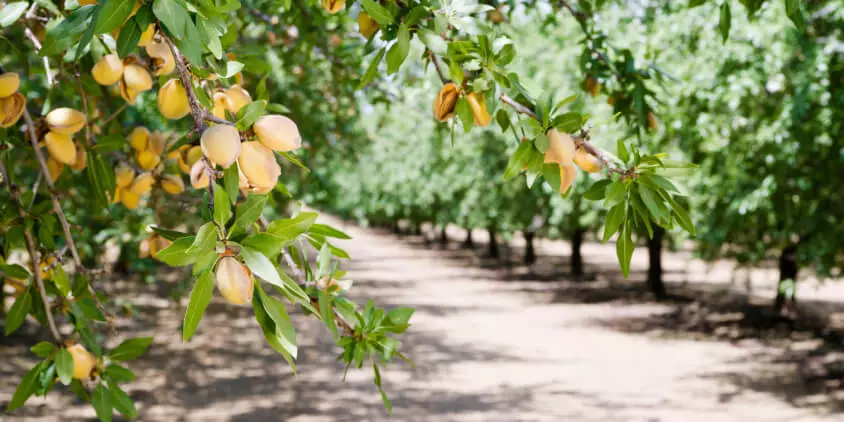
Almond trees are often associated with warm Mediterranean landscapes, yet they are increasingly appearing in British gardens and small orchards. With milder winters becoming more common in parts of the UK and gardeners looking to diversify beyond apples, pears, and plums, interest in almonds has grown steadily. While they are not the first fruit tree most people think of planting in Britain, almonds can be a surprisingly practical choice when grown in the right conditions.
Gardeners across the country are discovering that almonds offer both ornamental and productive value. Their early blossoms bring a flush of pale pink flowers at the start of the growing season, and the trees themselves are manageable in size for many gardens. However, growing them successfully in Britain requires a slightly different mindset compared with traditional orchard trees.
The fruit trees specialists at ChrisBowers note that interest in almond cultivation among British gardeners has increased in recent years, particularly among those who already grow apples or other orchard crops. They advise that anyone considering planting should begin with reliable nursery stock and suitable varieties adapted to cooler climates. For those researching almond trees for sale, the key is to choose cultivars known to cope with British weather patterns rather than those developed purely for southern Europe. Proper siting and thoughtful variety selection can make the difference between a decorative tree and a productive one.
For gardeners who are curious about adding almonds to their planting plans, there are three main factors worth understanding before getting started.
Almond Trees Are Closely Related to Stone Fruits
One of the first surprises for many gardeners is that almonds are not truly nuts in the botanical sense. They belong to the same plant family as peaches, nectarines, apricots, and plums. In fact, almonds are technically the edible seeds found inside a stone fruit.
This relationship has practical implications for British gardeners. Almond trees grow and behave much like peaches, with similar flowering habits and pruning requirements. Their blossoms appear very early in spring, often before leaves emerge, which makes them visually striking but also vulnerable to late frosts.
Because they share the same genetic family as stone fruits, almonds thrive in comparable soil conditions. They prefer well-drained soil that does not remain waterlogged during winter months. Heavy clay soil, which is common in parts of the UK, may require improvement with organic matter or raised planting areas to ensure adequate drainage.
Their growth habit is also familiar to those who already maintain orchard trees. Almond trees typically form an open canopy that benefits from pruning to allow light and air circulation. This structure helps reduce disease pressure and supports healthy fruit development.
Another important similarity is pollination. Many almond varieties require cross-pollination with another compatible tree to produce a crop. Some modern varieties are self-fertile, but even these tend to produce more reliably when another almond tree grows nearby.
For gardeners who already cultivate apples or plums, the learning curve for almonds is not steep. The main difference lies in timing: almonds awaken earlier in the year, and their flowering window can coincide with unpredictable spring weather in Britain.
Understanding this botanical background helps gardeners manage expectations. Almond trees can thrive in British conditions, but they behave more like delicate stone fruits than rugged nut trees.
British Climate Can Work—With Careful Placement
The second important consideration is climate. Almonds naturally prefer regions with warm, dry summers and relatively mild winters. While Britain does not replicate Mediterranean conditions, certain locations across the country provide surprisingly suitable microclimates.
Southern England, coastal regions, and sheltered urban gardens tend to offer the best environments for almond cultivation. These areas experience fewer severe frosts and often benefit from reflected warmth from buildings or walls.
Planting position is critical. Almond trees should ideally be placed in a sunny, sheltered location where cold winds are reduced. A south-facing wall can significantly improve growing conditions by storing heat during the day and releasing it overnight. This extra warmth can help protect early blossoms from frost damage.
Frost is perhaps the greatest challenge for almond growers in Britain. Because the trees flower early—sometimes as soon as February or March—a sudden cold snap can damage blossoms before pollination occurs. When this happens, the tree may still grow well but produce little or no crop that year.
Gardeners can mitigate this risk in several ways. Choosing later-flowering varieties is one approach. Planting trees in slightly elevated areas of the garden can also help, as cold air tends to settle in low spots.
Soil warmth plays a role as well. Well-drained soil warms more quickly in spring, encouraging stronger early growth. Conversely, damp ground may delay development and increase vulnerability to disease.
Despite these considerations, many British gardeners successfully grow almonds simply by choosing the warmest, most protected corner of their garden. In such settings, the trees often perform reliably and provide a rewarding addition to the home orchard.
Blossom Comes Early—and Is One of the Tree’s Greatest Assets
While almonds are often planted for their edible kernels, many gardeners value them equally for their blossom. Almond trees produce one of the earliest floral displays in the orchard calendar, typically before apples and pears begin to bloom.
The flowers are usually pale pink or white, appearing along bare branches before leaves emerge. This early display can transform a garden at the end of winter, providing colour when most trees remain dormant.
In Britain, this blossom period often coincides with the first activity of pollinating insects. Bees, in particular, are drawn to almond flowers as one of the earliest available nectar sources. For gardeners who maintain wildlife-friendly spaces, almond trees can play an important role in supporting early-season pollinators.
However, this early flowering also explains why almonds require careful management in British climates. If frost arrives during bloom, the delicate flowers may be damaged. Even a single cold night can reduce the likelihood of a successful crop.
Some gardeners choose to grow almonds primarily for their ornamental qualities, treating any harvest as a bonus rather than the primary goal. This approach can be particularly rewarding because the trees remain attractive regardless of crop size.
Pruning also contributes to the quality of the blossom display. By maintaining an open structure and removing crowded branches, gardeners allow sunlight to reach more flowering wood. This encourages a fuller, more evenly distributed display each spring.
In many ways, almond trees combine the beauty of ornamental flowering trees with the practical benefits of fruit production. For British gardens seeking both aesthetic and productive value, they offer a distinctive option that stands apart from traditional orchard species.
Choosing the Right Variety Matters More Than You Might Think
Perhaps the most important decision when planting almonds in Britain is variety selection. Not all almond trees are equally suited to cooler climates, and choosing the wrong type can lead to disappointing results.
Historically, many almond varieties were developed in warmer regions such as Spain, Italy, and California. While these cultivars perform well in those environments, they may struggle in Britain due to earlier flowering and sensitivity to cool, damp conditions.
Modern breeding and careful nursery selection have introduced varieties better adapted to northern European climates. These trees often flower slightly later, reducing the risk of frost damage.
Gardeners researching almond trees for sale will often encounter cultivars specifically recommended for UK gardens. These varieties have been selected for reliability, disease resistance, and consistent cropping in temperate climates.
Self-fertile varieties are particularly popular among home gardeners because they do not require a second tree for pollination. This makes them ideal for smaller gardens where space may be limited. Nevertheless, even self-fertile almonds may produce heavier crops if another tree is planted nearby.
Another factor worth considering is tree size. Almonds can be grown on various rootstocks, which influence final height and vigour. Smaller rootstocks allow the trees to be maintained at a manageable size, making pruning and harvesting easier.
Purchasing from a reputable nursery is important because almond trees benefit from careful propagation and disease-free stock. Healthy young trees establish more quickly and are better able to cope with the variable weather patterns common in Britain.
Ultimately, variety choice often determines whether an almond tree becomes a reliable garden feature or simply an occasional novelty.
Maintenance Is Similar to Other Orchard Trees
Once established, almond trees require care similar to that of other fruit trees grown in Britain. Gardeners familiar with apples, plums, or cherries will find many of the same principles apply.
Pruning is one of the most important maintenance tasks. Almond trees benefit from an open, vase-shaped structure that allows sunlight and airflow through the canopy. This not only improves fruit production but also reduces the risk of fungal diseases that can occur in damp conditions.
Pruning is usually carried out during late summer rather than winter. This timing helps reduce the risk of infection entering through fresh cuts, a concern shared with many stone fruits.
Feeding is another aspect of routine care. Almond trees appreciate a balanced fertiliser in early spring to support flowering and new growth. Organic matter such as well-rotted compost or manure can also improve soil structure and fertility over time.
Watering is most important during the establishment phase. Young trees should receive regular moisture during their first two growing seasons, particularly in dry spells. Mature trees are relatively drought-tolerant but still benefit from occasional watering during prolonged dry periods.
Pests and diseases affecting almonds in Britain are generally similar to those affecting peaches and apricots. Good orchard hygiene—removing fallen fruit, pruning dead wood, and ensuring airflow—helps prevent many common issues.
When maintained carefully, almond trees can live for decades and become a distinctive feature of the garden landscape.
Almonds Can Complement Traditional British Orchards
For gardeners who already grow apples or other fruit trees, almonds can provide welcome diversity in the orchard. Their early blossom extends the flowering season, while their unique fruits offer something different from the usual harvest.
Traditional British orchards often focus heavily on apples, pears, and plums. Adding almonds introduces another layer of interest, both visually and horticulturally. The trees can be incorporated into mixed plantings alongside other stone fruits, creating a varied and productive orchard environment.
Almond trees also tend to remain relatively manageable in size, making them suitable for smaller gardens or informal orchard spaces. With proper pruning, they can be trained into attractive shapes that complement other fruit trees.
Harvesting almonds in Britain is typically a modest affair compared with commercial orchards in warmer climates. Nevertheless, even small crops can be rewarding. Fresh almonds harvested from the garden have a distinctive flavour and can be used in baking, cooking, or simply eaten raw.
For gardeners seeking to experiment beyond traditional fruit choices, almonds represent a practical step into slightly less common orchard species. Interest in almond trees for sale has gradually increased among hobby growers who wish to broaden the range of trees in their gardens.
Ultimately, almonds are not meant to replace Britain’s classic orchard trees but to complement them. When planted thoughtfully and cared for properly, they can add beauty, variety, and occasional harvests to the home garden for many years.
A Small Tree With Growing Appeal
Almond trees may never be as widespread in Britain as apples or plums, yet their appeal continues to grow among gardeners looking for something slightly different. Their combination of early blossom, manageable growth, and edible harvest makes them a versatile addition to many gardens.
Success largely depends on understanding their needs: selecting suitable varieties, planting them in warm and sheltered locations, and accepting that occasional frost may affect crops. With these factors in mind, almond trees can thrive surprisingly well in many parts of the UK.
For gardeners willing to experiment beyond the traditional orchard, almonds offer a rewarding blend of ornamental beauty and practical fruit growing. As more people discover their potential, these trees are quietly finding a place in British gardens and small orchards alike.

Comments are closed.