

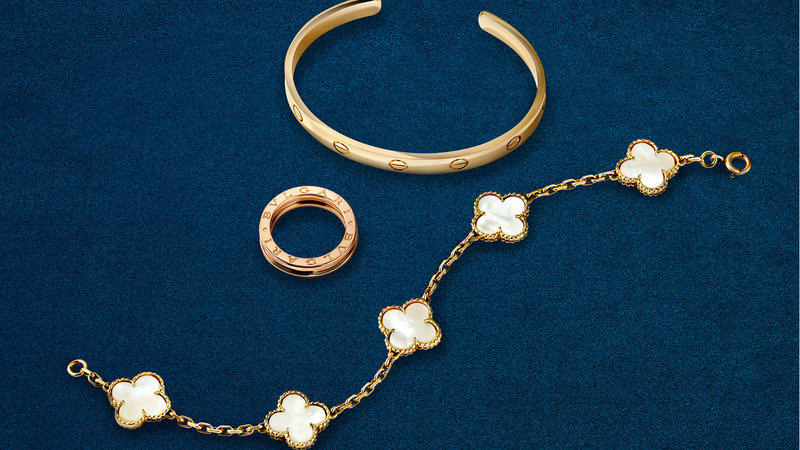
Introduction
Jewelry has long been an emblem of beauty, status, and personal expression. From ancient civilizations to contemporary fashion runways, jewelry has transcended mere adornment to become a statement of individuality and heritage. In 2025, the jewelry industry continues to evolve, embracing innovative materials, sustainable practices, and personalized designs while maintaining the elegance of classic pieces. Understanding the types, trends, and care techniques of jewelry can empower enthusiasts to curate collections that resonate with both style and significance.
The History and Evolution of Jewelry
Jewelry has been an integral part of human culture for thousands of years. Early humans used shells, bones, and stones to create ornamental pieces, symbolizing wealth, spirituality, and social hierarchy. As civilizations advanced, materials such as gold, silver, and gemstones became prevalent, with intricate craftsmanship emerging in cultures like Ancient Egypt, Greece, and India. Over centuries, jewelry evolved from traditional ceremonial pieces to everyday fashion statements, reflecting both technological progress and cultural influences.
Types of Jewelry
Jewelry encompasses a wide range of categories, each with its unique style and purpose.
Necklaces and Chains
Necklaces are versatile pieces that can range from delicate chains to bold statement pieces. Popular materials include gold, silver, platinum, and beads, while gemstone accents like diamonds, sapphires, and emeralds add luxury. Layering necklaces with varying lengths is a modern trend, allowing for personalized styling.
Earrings
Earrings remain one of the most expressive forms of jewelry. They vary from studs and hoops to chandelier and drop designs. Precious metals and stones are often used, but contemporary fashion also embraces enamel, resin, and sustainable materials. Earrings can complement face shapes and hairstyles, making them both decorative and functional.
Rings
Rings symbolize love, commitment, and self-expression. Engagement rings, wedding bands, cocktail rings, and stackable rings each serve different purposes. Popular choices include diamond solitaires, colored gemstones, and minimalist bands. Modern designs often incorporate mixed metals and ethical gemstones, reflecting both style and conscious consumerism.
Bracelets and Bangles
Wrist jewelry ranges from delicate chains and charm bracelets to bold bangles. Stackable bracelets are currently popular, allowing wearers to mix metals, textures, and stones. Bangles, especially in cultural contexts like India, carry symbolic meanings, while charm bracelets offer personalization through meaningful tokens.
Brooches and Pins
Once considered vintage, brooches and pins have regained popularity in 2025. These pieces are now used to accent blazers, scarves, and hats, adding both style and personality. Enamel designs, crystals, and vintage-inspired motifs dominate current trends.
Jewelry Materials and Craftsmanship
The materials used in jewelry significantly influence its appearance, value, and durability.
Precious Metals
Gold, silver, and platinum remain the most sought-after metals in jewelry. Gold comes in various karats and colors, including yellow, white, and rose gold. Platinum offers durability and a luxurious feel, while silver provides versatility and affordability.
Gemstones and Diamonds
Gemstones such as diamonds, rubies, emeralds, sapphires, and semi-precious stones like amethyst and topaz elevate jewelry’s aesthetic appeal. Diamonds are valued for their brilliance and symbolism, whereas colored gemstones offer unique personalization. Lab-grown gemstones are gaining traction as a sustainable and ethical alternative to mined stones.
Alternative Materials
Contemporary jewelry often incorporates alternative materials like titanium, stainless steel, resin, wood, and recycled metals. These options provide durability, affordability, and eco-conscious appeal, catering to a new generation of consumers who value sustainability.
Current Jewelry Trends in 2025
Jewelry trends reflect cultural shifts, technological innovations, and fashion influences.
Sustainable and Ethical Jewelry
With growing awareness of environmental and ethical concerns, sustainable jewelry has become a significant trend. Consumers increasingly seek recycled metals, conflict-free gemstones, and brands that prioritize ethical sourcing.
Personalized and Custom Jewelry
Customized pieces, from engraved rings to birthstone necklaces, allow individuals to express their identity. Digital tools and 3D printing technologies have made personalization more accessible than ever.
Bold Statement Pieces
Statement earrings, oversized rings, and chunky necklaces dominate contemporary fashion. These pieces are designed to stand out, often mixing textures, metals, and unconventional materials for a modern aesthetic.
Minimalist and Layered Jewelry
While bold pieces attract attention, minimalist designs remain timeless. Layered necklaces, stacking rings, and delicate bracelets offer understated elegance suitable for everyday wear. Mixing fine jewelry with casual outfits is a popular styling choice in 2025.
Jewelry Care and Maintenance
Proper care extends the life and beauty of jewelry.
Cleaning Techniques
Different materials require specific cleaning methods. Precious metals and gemstones can be gently cleaned using mild soap and warm water, while avoiding abrasive materials that may scratch surfaces. Ultrasonic cleaners are effective for certain stones but should be used cautiously.
Storage Solutions
Jewelry should be stored separately to prevent scratching and tangling. Velvet-lined boxes, soft pouches, and anti-tarnish strips help preserve metals and prevent damage.
Professional Maintenance
Regular inspections by professional jewelers ensure settings are secure and stones remain intact. Polishing, resizing, and repairs help maintain the longevity of valuable pieces.
Jewelry Styling Tips
Understanding how to style jewelry can elevate any outfit.
Mixing Metals
Contrary to traditional rules, mixing metals is trendy. Gold and silver can be combined in necklaces, bracelets, and rings for a contemporary look.
Balancing Statement and Minimal Pieces
Pairing bold statement pieces with minimalist accessories creates a balanced aesthetic. For example, a chunky necklace can be complemented by subtle stud earrings.
Occasion-Based Styling
Jewelry selection should reflect the event or occasion. Everyday wear favors delicate pieces, while formal occasions call for more elaborate designs. Cultural considerations also play a role in styling decisions.
Investment in Jewelry
Jewelry is not only an accessory but also an investment. High-quality pieces, particularly those with precious metals and gemstones, retain value over time. Collectors often seek vintage or designer pieces that appreciate in value, combining aesthetics with financial foresight.
Conclusion
Jewelry is a timeless fusion of art, culture, and personal expression. Whether embracing bold contemporary trends, minimalist elegance, or heirloom classics, jewelry allows individuals to convey style, identity, and sentiment. Awareness of materials, craftsmanship, and proper care ensures that each piece continues to shine for years to come. In 2025, jewelry remains not just a fashion accessory but a symbol of sophistication, creativity, and ethical consciousness.
FAQs
1. How can I identify authentic gemstones?
Authentic gemstones typically have natural inclusions, precise cuts, and weight consistent with their type. Certification from a reputable gemological institute ensures authenticity and quality.
2. What is the best way to store my jewelry to prevent tarnishing?
Store jewelry in soft pouches or velvet-lined boxes, and use anti-tarnish strips for silver pieces. Keeping items separated prevents scratches and tangling.
3. Are lab-grown gemstones a reliable alternative to natural stones?
Yes, lab-grown gemstones offer the same chemical and optical properties as natural stones. They are often more affordable, ethically sourced, and environmentally friendly.
4. How do I choose the right jewelry for my face shape?
For oval faces, most earring styles work well. Round faces benefit from elongated designs, while square faces are complemented by curved or hoop earrings. Consulting styling guides helps in selecting flattering pieces.
5. Can I wear jewelry every day without damaging it?
Daily wear is possible with durable materials like gold, platinum, and certain gemstones. Remove delicate pieces during physical activities or exposure to chemicals to prevent damage.
6. What are the benefits of investing in high-quality jewelry?
High-quality jewelry retains value, can appreciate over time, and serves as a long-lasting heirloom. Designer and vintage pieces may offer both aesthetic and financial returns.
7. How do I clean my jewelry safely at home?
Use mild soap and warm water with a soft cloth for cleaning. Avoid harsh chemicals or abrasive materials. For valuable or delicate items, professional cleaning is recommended.

Comments are closed.