

Key Takeaways
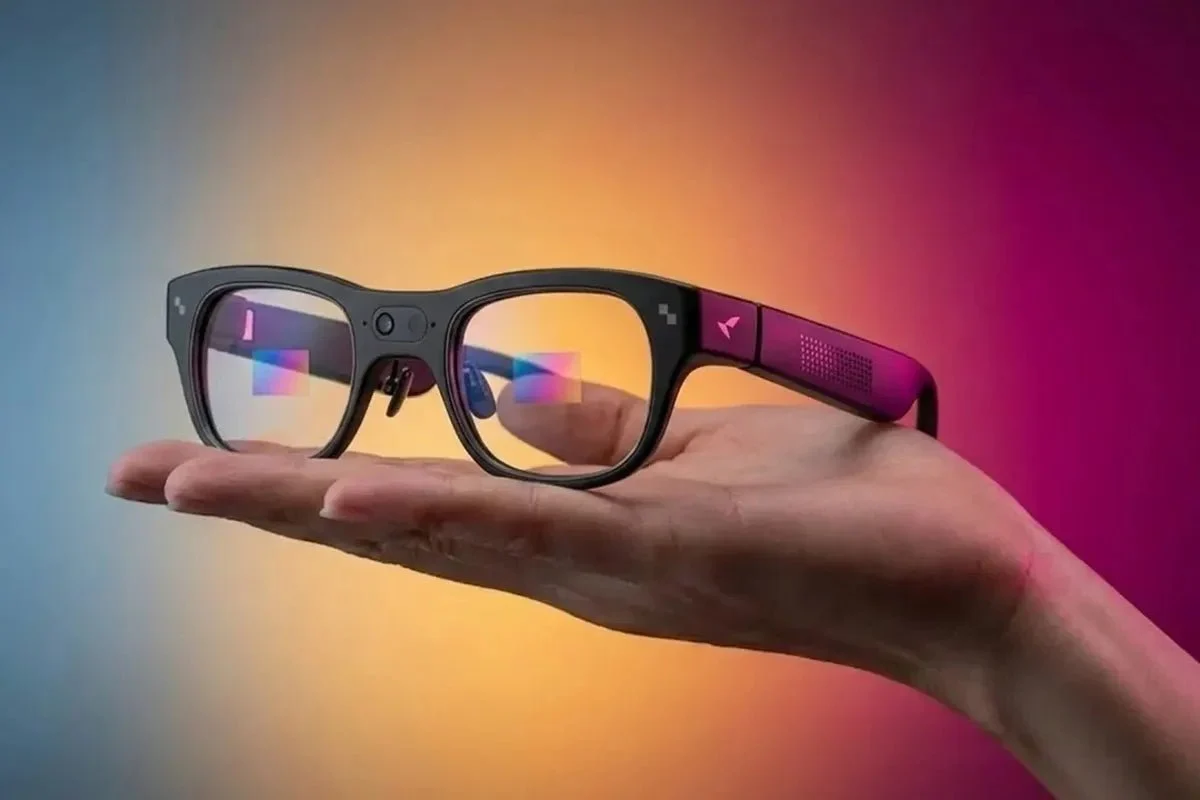
Smart glasses have revolutionized everyday life by displaying real-time information directly in the user’s view, enhancing tasks such as navigation, reading, and communication.
With prescription lens options, smart glasses allow those with vision impairments to experience the advantages of smart technology without losing visual clarity.
Industries like healthcare, logistics, and education are increasingly embracing smart glasses, resulting in heightened productivity and efficiency across various tasks.
Selecting the correct prescription lens is key, with options like single-vision, progressive, and bifocal lenses tailored to meet diverse visual needs and lifestyles.
Professionals recommend consulting with eyewear experts to determine the ideal lens features that match individual vision requirements and daily tasks, such as incorporating blue light blocking for better screen use.
When choosing smart glasses, ensuring compatibility with prescription lenses is crucial, as not every model permits custom lens fitting. Clear communication with eye care providers is essential.
The future of smart glasses holds exciting advancements such as augmented reality and AI integration, promising to enhance user experience by personalizing settings and incorporating health monitoring capabilities.
The Powerful Impact of Smart Glasses on Daily Life
How Smart Glasses Enhance Everyday Activities
Imagine strolling down the street, real-time information about your surroundings effortlessly displayed in your line of sight. Smart glasses have transformed how individuals engage with their environment. No longer mere tech novelties, these devices have become indispensable tools that enhance daily experiences. From work to leisure, the fusion of technology and eyewear offers significant benefits.
Think about navigation. Instead of focusing on a smartphone screen, users can receive turn-by-turn directions directly through their glasses. This approach keeps hands free and promotes safer travels. That’s just the beginning. Tasks like reading, video chatting, or shopping see remarkable enhancements with smart glasses, which present information directly in the user’s field of vision.
The reality is: smart glasses with prescription lens options empower individuals with vision impairments to reap these advantages without compromising on clarity. By merging prescription lenses with smart technology, users do not have to sacrifice sight for functionality.
Recent statistics reveal a noticeable surge in smart glasses usage across various demographics. People working in fields such as healthcare, logistics, and education capitalizing on the power of smart eyewear. Each day, these devices simplify tasks, engage users, and significantly enhance productivity.
Real-world Stories: Users Share Their Experiences
Real-life stories vividly illustrate the impact of smart glasses. Take John, a logistics manager, as a case in point. He adopted smart glasses to optimize operations within his warehouse. Rather than manually recording tasks on a notepad, he views real-time updates and inventory lists right in front of him. This transition has saved his team countless hours while drastically reducing errors.
Another compelling account comes from Sara, a teacher integrating smart glasses into her classroom. Her students, particularly those facing vision challenges, have gained considerably. Utilizing the glasses’ augmented reality features allowed them to visualize complex concepts, leading to enhanced understanding and retention. Parents and students alike have provided heartening feedback about the improved learning dynamics.
“It changed the way students interact with lessons. Learning became an adventure.” – Sara, Teacher
Such accounts illustrate the potential of smart glasses as transformative tools that elevate life quality. They demonstrate how these devices can effectively bridge the gap between technology and human needs, especially for those in need of vision correction.
Choosing the Right Prescription Lens for Your Smart Glasses
Understanding Different Types of Prescription Options
Choosing the right prescription lens options is critical for anyone considering smart glasses. While it may seem simple, there’s more complexity involved than just picking a lens. Lens types can vary remarkably, from single-vision to progressive lenses.
Single-vision lenses focus on one field of vision, perfect for individuals needing correction for either distance or near vision. On the flip side, progressive lenses encompass multiple strengths, enabling effortless viewing at various distances. Some users might prefer bifocal options, which offer distinct zones for distance and near vision. Each variety has its own benefits, making it essential to evaluate individual needs.
Here’s where personal lifestyle comes into play. An active professional likely requires different features compared to a more casual user. Additional options abound, including photochromic lenses that adapt to lighting changes and blue light blocking technology, both important for those who spend extended periods in front of screens.
- Single-Vision Lenses: Effective for either distance or reading.
- Progressive Lenses: Multi-use for varying visual needs.
- Bifocal Lenses: Clear divisions for different distances.
- Photochromic Lenses: Adjust to shifting light conditions.
- Blue Light Blocking: Mitigates digital strain.
Ultimately, understanding personal vision needs is paramount. A comprehensive eye exam can unveil crucial prescription information, empowering informed choices when selecting smart glasses.
Expert Recommendations for Optimal Vision Solutions
Consulting with eyewear professionals can offer invaluable guidance in selecting the ideal prescription lens for smart glasses. Experts often suggest considering lifestyle, occupation, and personal vision requirements. Yet specifics matter as well.
Those who spend hours in front of screens should make blue light blocking options a priority, which can significantly alleviate eye strain. Typically, experts advise clients to try different smart glasses models with various lens options to find the best fit. Comfort is vital and should be prioritized alongside visual clarity.
- Begin with an eye exam to accurately assess prescription needs.
- Experiment with different styles to evaluate comfort levels.
- Consider lens features that accommodate daily activities.
- Inquire about coatings that reduce glare and strain.
- Take time; make informed choices that align with lifestyle considerations.
Ultimately, the goal is achieving clarity, comfort, and maximum utility from smart glasses.
Compatibility and Features: What to Look For
Integrating Smart Technology with Prescription Needs
Compatibility with prescription lenses is a key factor when selecting smart glasses. Not every smart glasses model can support prescription lenses; thus, comprehending individual needs is vital prior to making a purchase. Users should specifically seek brands and models designed to accommodate lens customization.
Many manufacturers have emerged, offering smart glasses catering to an array of vision requirements. These devices typically come with customizable options, permitting eye care professionals to fit lenses according to individual specifications. Such integration enhances user experience, allowing one to enjoy technology without sacrificing vision.
Effective communication with eye care providers is essential. They can confirm which smart glasses align with the prescribed lenses. Experts usually recommend reputable brands known for their compatibility and quality, ensuring optimal return on investment.
Essential Features That Make a Difference
Smart glasses boast various features that can elevate user experience. But which attributes truly count? Here are the most essential features to consider:
- Display Quality: Sharp, vivid screens are essential for clear visual information.
- Battery Life: A longer-lasting battery allows users to stay connected all day without constant recharging.
- Camera Quality: High-resolution cameras enhance functionality, from capturing moments to real-time analysis.
- Audio Integration: Sound quality is crucial for glasses that support calls or media.
- App Compatibility: Ensure that the glasses integrate smoothly with popular apps.
Incorporating these smart features improves both usability and enjoyment of the product. While personal preferences undoubtedly come into play, knowing which features enhance smart glasses empowers consumers when making purchases.
Being well-informed is half the journey. Familiarity with the technology landscape assists users in uncovering the perfect smart glasses tailored to meet specific needs.
Working through the Future of Vision Technology
Upcoming Innovations in Smart Glasses
The future of smart glasses technology looks bright, bringing a host of exciting opportunities. As tech advances, significant innovations are expected to elevate user experiences. Companies are investing heavily in R&D to polish existing features while introducing advanced functionalities. Imagine augmented reality displays becoming standard rather than just a luxury.
Moreover, smart glasses might soon integrate AI capabilities that personalize settings based on user behavior. Envision glasses that adjust to ambient lighting or adapt notifications according to current activities. Fresh and innovative, right?
“The next decade will redefine human interaction, and eyewear will be at the forefront.” – Tech Analyst
As consumer expectations rise, the incorporation of health tracking features such as eye strain monitoring might soon become commonplace, shifting awareness and proactive health management to the forefront of eyewear technology.
What These Advances Mean for Vision Correction
These continuing innovations promise a bright future for vision correction. Users can anticipate enhanced clarity and comfort tailored to their distinct needs. Smart glasses with prescription lens options mark the start, setting the stage for customizable experiences that cater to each user. The blend of real-time data and visual enhancement could redefine how individuals perceive life through a personalized lens.
As technology advances, consumers must remain abreast of the latest developments. Embracing such innovations leads to more fulfilling and enriched interactions with the world.
Smart glasses may soon establish themselves as the standard for vision correction, merging fashion, technology, and performance in ways previously unimaginable. That future might just be closer than it appears.
FAQ
What are the specific benefits of using smart glasses for outdoor activities?
Smart glasses shine in outdoor environments by providing hands-free navigation and real-time information. This keeps users engaged without needing to check their smartphones, enhancing safety and allowing for enjoyable activities like hiking, cycling, or urban exploration—all while maintaining situational awareness.
How do smart glasses adapt to different lighting conditions?
Many modern smart glasses feature photochromic lenses, which adjust based on light exposure. These lenses darken in bright sunlight while clarifying in dimmer settings, ensuring optimal vision and comfort in varying conditions.
Can users customize the design of smart glasses?
Absolutely, some brands allow for customization of both the frames and lenses of smart glasses. This personalization allows users to choose colors, styles, and specific lens features, ensuring they can express themselves while reaping the benefits of technology.
What industries are seeing the most significant adoption of smart glasses, and why?
Industries like healthcare, logistics, and education are rapidly integrating smart glasses into their workflows. This trend arises from the improved efficiency and productivity these devices offer, streamlining tasks like remote assistance, patient monitoring, and interactive learning.
How does the integration of augmented reality enhance the functionality of smart glasses?
Augmented reality in smart glasses enables digital information to overlay the physical world, greatly enhancing user interaction. Features may include step-by-step navigation, interactive learning aids, or hands-free instructions for complex tasks, making daily activities more engaging.
What role does user feedback play in the development of smart glasses?
User feedback is crucial for fostering innovation. As companies collect insights from real users, they can refine existing features, identify pain points, and introduce new functionalities that align with consumer demands, ultimately leading to superior product offerings.
Are there specific health considerations associated with prolonged use of smart glasses?
Experts advise users to be mindful of potential eye strain from extended smart glasses use, particularly with screens and notifications. Incorporating blue light blocking options can help reduce fatigue, ensuring that long-term use remains comfortable and beneficial.
How do smart glasses compare to traditional wearable technology in terms of vision correction?
Smart glasses offer a distinct advantage over traditional wearables by merging prescription lens capabilities with smart features. Unlike standard wearable devices, smart glasses provide real-time visual information while correcting vision, creating a dual-purpose tool that enhances both clarity and connectivity.
Useful Resources
- American Optometric Association– A principal organization for optometrists providing resources on eye health and vision correction.
- National Eye Institute– An authoritative source on eye health research, education, and resources for various vision impairments.
- The Vision Council– A resource for information on eyewear, lenses, and emerging optical technology.
- Healthline – Eye Health– A comprehensive resource on maintaining good eye health and understanding vision-related topics.
- WebMD – Eye Health– Offers articles and expert advice on eye conditions, treatments, and maintaining healthy vision.
- American Academy of Ophthalmology– Provides extensive information covering eye care and advancements in vision correction technologies.
- Lighthouse Guild– A nonprofit dedicated to offering services and resources for those with vision loss, including insights on adaptive technologies like smart glasses.
- Consumer Reports – Eyeglasses– Offers unbiased reviews and ratings of eyewear options, including smart glasses.
- Augmented Reality Developers Association– A resource for exploring augmented reality, a key feature in many modern smart glasses.
