

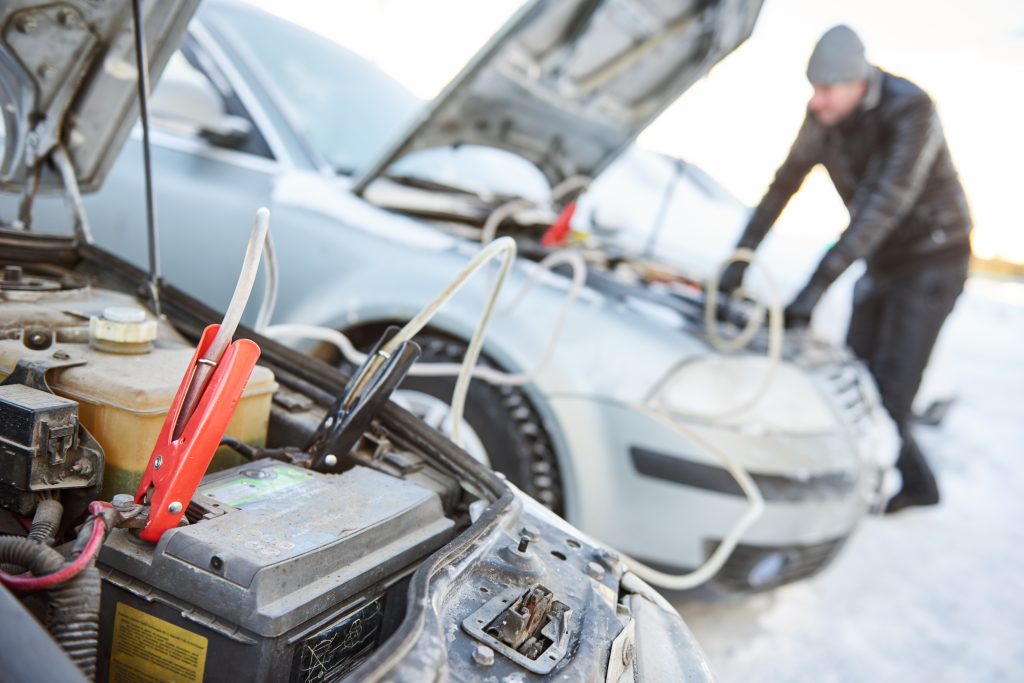
Winter driving brings unique challenges that can affect vehicle performance, safety, and reliability. Cold temperatures, snow, ice, and road salt can all contribute to mechanical issues, making it essential for drivers to prepare their cars properly. Visiting an auto repair shop for a professional winter check-up is one of the most effective ways to ensure your vehicle remains safe and dependable throughout the season. Understanding how to prepare your car for winter at an auto repair shop allows drivers to proactively address potential problems and avoid unexpected breakdowns.
The Importance of Winter Preparation for Vehicles
Winter conditions put extra stress on vehicles. Engine performance, battery life, tires, brakes, and fluids are all affected by freezing temperatures and adverse weather. Cars that are not properly maintained for winter are more prone to breakdowns, accidents, and costly repairs.
A professional winter check-up at an auto repair shop ensures that your vehicle is ready for the challenges of the season. Mechanics can identify vulnerabilities, perform preventive maintenance, and make adjustments to improve performance and safety. Investing in winter preparation not only protects your car but also safeguards you and your passengers on the road.
Key Benefits of Winter Auto Maintenance
- Enhanced safety: Ensures brakes, tires, and lights function optimally.
- Improved reliability: Reduces the likelihood of breakdowns in cold weather.
- Prolonged vehicle lifespan: Prevents damage from road salt, ice, and freezing temperatures.
- Cost savings: Avoids emergency repairs that are often more expensive than preventive maintenance.
- Peace of mind: Provides confidence in your car’s performance during harsh conditions.
Tire Inspection and Winter Tire Installation
Tires are arguably the most critical component for winter driving. Proper traction, braking, and handling depend on tire quality and tread depth. Cold temperatures and icy roads can drastically reduce grip, increasing the risk of accidents.
What an Auto Repair Shop Can Do
- Check tire tread depth: Mechanics measure tread to ensure sufficient grip for snow and ice.
- Inspect tire condition: Look for cracks, uneven wear, or damage that could compromise safety.
- Install winter tires: Designed specifically for cold conditions, winter tires provide better traction and handling.
- Check tire pressure: Cold weather reduces tire pressure, affecting fuel efficiency and control.
- Rotate tires: Rotating tires ensures even wear and extends their lifespan.
Winter tire installation is particularly important in regions with heavy snow or icy roads, as they provide improved braking performance and vehicle stability.
Battery and Electrical System Check
Cold weather puts significant strain on a car battery and electrical system. Batteries lose efficiency in low temperatures, making starting the engine more difficult. Additionally, electrical components like lights, defrosters, and heaters are crucial for safe winter driving.
Battery and Electrical Maintenance Steps
- Battery testing: Auto repair shops test battery charge and overall health.
- Replace weak batteries: A failing battery can leave drivers stranded in extreme cold.
- Inspect alternator and connections: Ensure the charging system is functioning properly.
- Check lights and signals: Winter visibility is reduced, so headlights, brake lights, and turn signals must be fully operational.
- Test electrical components: Verify heaters, defrosters, and windshield wipers are working efficiently.
A properly maintained battery and electrical system prevent cold-weather failures and ensure critical systems remain operational.
Brake System Inspection
Brakes are essential for safe driving on icy or slippery roads. Winter conditions can exacerbate existing brake issues, making a thorough inspection vital.
What Mechanics Check
- Brake pads and rotors: Assess wear and replace if necessary to maintain stopping power.
- Brake fluid: Inspect for contamination or low levels, which can reduce braking efficiency.
- Brake lines: Ensure there are no leaks or corrosion that could impair braking performance.
- ABS and traction control systems: Confirm that anti-lock braking and traction control systems are functioning correctly.
Properly maintained brakes improve vehicle safety and control, particularly in hazardous winter conditions.
Fluid Levels and Antifreeze Protection
Cold temperatures affect all vehicle fluids, including engine oil, transmission fluid, brake fluid, and coolant. Fluids that are too thin or contaminated may not provide adequate protection in freezing conditions.
Key Fluid Checks at an Auto Repair Shop
- Engine oil: Mechanics check viscosity and recommend winter-grade oil if necessary.
- Coolant/antifreeze: Ensure the proper mixture of antifreeze and water to prevent freezing.
- Brake fluid: Replace or top off as needed to maintain optimal performance.
- Transmission fluid: Verify levels and condition to prevent shifting problems in cold temperatures.
- Windshield washer fluid: Use winter formula to prevent freezing and improve visibility.
Maintaining proper fluid levels and quality ensures that your vehicle operates smoothly and reliably throughout winter.
Heating, Defrosting, and Climate Control Systems
A functioning heating and defrosting system is essential for driver comfort and visibility. Frozen windows, fog, and poor cabin temperature can reduce safety and increase stress while driving.
Winter System Maintenance
- Heater core inspection: Ensure proper heating inside the cabin.
- Defroster functionality: Test front and rear defrosters to clear ice and condensation.
- Cabin air filters: Replace if dirty to maintain airflow and air quality.
- HVAC system check: Verify that ventilation and temperature controls work efficiently.
Proper climate control ensures comfort, visibility, and overall safety during winter drives.
Wiper Blades and Windshield Maintenance
Clear visibility is critical during snow, sleet, and rain. Worn wipers or damaged windshields can impair vision, increasing the risk of accidents.
Winter Maintenance for Visibility
- Inspect and replace wiper blades: Ensure streak-free clearing and durability in icy conditions.
- Check windshield condition: Repair chips or cracks that could worsen in freezing temperatures.
- Refill windshield washer fluid: Use winter-grade fluid to prevent freezing and remove road salt.
- Test wiper motor operation: Verify consistent and effective movement for safety.
Routine inspection and maintenance of the windshield and wipers help maintain clear vision during storms and snowy conditions.
Exhaust and Heating System Check
Cold weather can reveal issues with the exhaust system and cabin heating that may not be noticeable during warmer months. Blocked or damaged exhaust systems can lead to dangerous fumes inside the vehicle.
Winter Exhaust Maintenance
- Inspect exhaust pipes and muffler: Check for leaks or corrosion that can worsen in cold weather.
- Ensure proper ventilation: Verify that carbon monoxide is safely vented outside.
- Check heater performance: Ensure efficient heat distribution for passenger comfort.
Maintaining exhaust and heating systems reduces risk and enhances safety during long winter drives.
Road Salt and Underbody Protection
Winter roads are often treated with salt to prevent ice, which can accelerate corrosion on a vehicle’s underbody, frame, and suspension.
Protective Measures at an Auto Repair Shop
- Underbody wash: Remove accumulated salt and debris to prevent rust.
- Inspect for corrosion: Address rust spots early to prevent structural damage.
- Apply protective coatings: Consider rustproofing or anti-corrosion sprays for added protection.
- Check suspension and brake components: Salt can accelerate wear, so inspections help maintain performance.
Preventing corrosion preserves vehicle longevity and avoids expensive repairs caused by winter road conditions.
Emergency Preparedness Tips
Even with proper maintenance, winter emergencies can occur. Auto repair shops often advise customers to prepare with essential equipment and supplies.
Essential Winter Preparedness Items
- Jumper cables: For unexpected battery failure.
- Ice scraper and snow brush: Keep windows clear for visibility.
- Emergency kit: Include blankets, flashlight, first aid supplies, and water.
- Tire chains or traction aids: Useful for heavy snow or icy roads.
- Portable phone charger: Ensure you can call for help in emergencies.
Mechanics can also provide advice tailored to local winter conditions and specific vehicle models.
Benefits of Professional Winter Vehicle Check-Ups
While DIY inspections are helpful, visiting a professional auto repair shop ensures comprehensive winter preparation. Mechanics have the tools, knowledge, and experience to detect hidden issues and make repairs before they become emergencies.
Advantages of Winter Check-Ups
- Peace of mind: Knowing your vehicle is winter-ready reduces stress while driving.
- Expert assessment: Technicians identify potential problems that may not be visible to the average driver.
- Cost-effective prevention: Early repairs and maintenance reduce the risk of costly breakdowns.
- Enhanced safety: A professionally serviced car handles ice, snow, and cold temperatures more effectively.
Regular winter check-ups at an auto repair shop are an investment in safety, reliability, and vehicle longevity.
FAQs
Q1. How early should I prepare my car for winter?
Ideally, prepare your car before the first significant snowfall or when temperatures consistently drop below 40°F. This ensures proactive maintenance before harsh conditions arrive.
Q2. Do I need winter tires if I live in a region with mild winters?
While not always necessary in mild climates, winter tires improve traction and safety in wet or icy conditions. Consult your mechanic for the best advice based on local conditions.
Q3. How often should I check battery and fluids during winter?
Check battery health and essential fluids at least once every month during cold weather. Regular inspection helps prevent unexpected failures.
Q4. Can DIY winter preparation replace a professional check-up?
DIY efforts are helpful but cannot replace professional inspections. Mechanics detect hidden issues, perform precision maintenance, and provide safety assurance.
Q5. What are the most critical components to inspect before winter?
Tires, brakes, battery, fluids, wipers, lights, heating and defrosting systems, and the underbody are critical areas for winter preparation.
Preparing your car for winter at an auto repair shop ensures that every component is optimized for safety, reliability, and performance. With professional inspections, preventive maintenance, and proper winter equipment, drivers can confidently navigate cold, snowy, and icy conditions while minimizing the risk of breakdowns and accidents.

Comments are closed.