

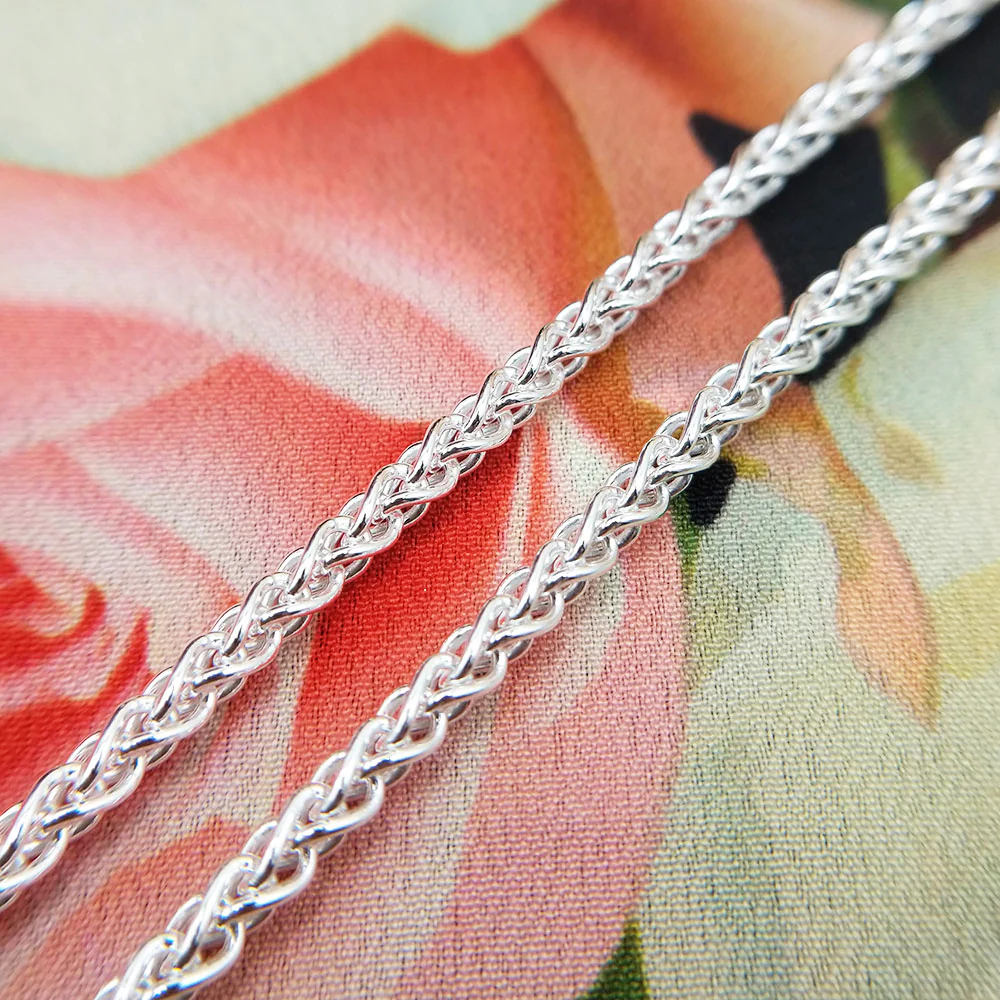
The wheat chain, a timeless staple in the world of jewelry, has captivated enthusiasts and collectors with its intricate design and enduring appeal. Known for its unique braided pattern that resembles the appearance of wheat stalks, this versatile chain has transcended mere adornment to become a symbol of artistry and craftsmanship. In an era where mass production often overshadows traditional techniques, the wheat chain stands as a testament to the skill and dedication of artisans who meticulously handcraft each piece. This article delves into the craftsmanship behind the popular wheat chain, exploring the intricate methods employed by skilled jewelers, the materials that contribute to its durability and allure, and the historical significance that has cemented its place in jewelry design. From the selection of high-quality metals to the delicate weaving process, we will uncover the nuances that elevate the wheat chain from a simple accessory to a work of art. Whether worn as a standalone statement piece or layered for a more dynamic look, the wheat chain embodies a rich heritage of craftsmanship that continues to inspire and resonate with jewelry lovers around the globe. Join us as we journey through the artistry and tradition that define this beloved accessory.
– Understanding the History of Wheat Chains
The history of wheat chains is deeply intertwined with the evolution of jewelry design and metalworking techniques. Originating in various cultures, these chains were initially crafted by skilled artisans who sought to create intricate patterns using intertwined links resembling wheat stalks. This design not only provided a unique aesthetic appeal but also offered strength and flexibility, making wheat chains a popular choice for both necklaces and bracelets. The artistry involved in creating each link has transformed over centuries, reflecting advancements in technology and shifts in fashion trends, yet the core inspiration derived from nature remains a constant hallmark.
Throughout history, wheat chains have transcended mere ornamentation to symbolize connections and relationships. In many cultures, these chains were gifted during significant life events, embodying the bonds between individuals. The craftsmanship behind wheat chains has evolved to include various materials and finishes, allowing for personalization and adaptation in modern jewelry. Today, they are embraced for their timeless elegance and versatility, appealing to a broad audience while paying homage to the rich heritage of metalworking that continues to influence contemporary jewelry design.
– Key Techniques in Wheat Chain Craftsmanship
The craftsmanship of wheat chains relies on several key techniques that highlight the artisan’s skill and attention to detail. One fundamental technique is the careful forging of each link, where metals are meticulously shaped and intertwined to create the signature, textured appearance reminiscent of wheat stalks. This process often involves precise measurements and a delicate balance between strength and flexibility, ensuring that each link can withstand the wear of daily use while maintaining the desired aesthetic. Artisans may also employ different metal finishes, such as polishing or oxidizing, to enhance the visual appeal and add depth to the chain’s design.
Another crucial technique involves the intricate soldering of links, a process that requires significant expertise to achieve seamless connections without compromising the chain’s overall integrity. Skilled craftsmen often utilize specialized tools and methods to ensure that each link is securely joined, allowing the chain to retain its fluidity and movement. Additionally, the incorporation of various materials, such as gemstones or enamel, can further elevate the wheat chain’s design, offering customization options that appeal to diverse tastes. This combination of traditional craftsmanship and innovative techniques ensures that wheat chains remain timeless pieces, celebrated for their beauty and durability.
– Benefits and Versatility of Wheat Chains
Wheat chains offer an array of benefits that make them a sought-after choice for jewelry enthusiasts and designers alike. Their unique design, composed of interlocking links, provides not only an elegant aesthetic but also exceptional durability, making them suitable for both everyday wear and special occasions. The inherent flexibility of wheat chains allows them to drape beautifully around the neck or wrist, complementing various styles and outfits. This versatility enables them to serve as standalone pieces or as foundations for layered looks, catering to diverse fashion preferences.
In addition to their visual appeal, wheat chains are renowned for their comfort and lightweight feel, which enhances their wearability. The smooth, interconnected links minimize snagging on clothing or hair, making them ideal for those who prioritize practicality without sacrificing style. Furthermore, wheat chains can be crafted from various materials, including gold, silver, and alternative metals, allowing for customization and personal expression. Whether worn as a statement piece or as part of a more intricate ensemble, the adaptability and charm of wheat chains ensure their continued popularity in the world of jewelry.
In conclusion, the craftsmanship behind the popular wheat chain is a testament to the dedication and skill of artisans who have perfected this intricate form of jewelry making. From the selection of high-quality materials to the precise techniques employed in each link, every aspect reflects a commitment to both aesthetic appeal and durability. As consumers increasingly seek unique and meaningful pieces, the wheat chain stands out not only for its timeless elegance but also for the rich tradition of craftsmanship that it embodies. By appreciating the artistry involved, we can better understand the value of these exquisite pieces and the stories they tell through their creation.

Comments are closed.