

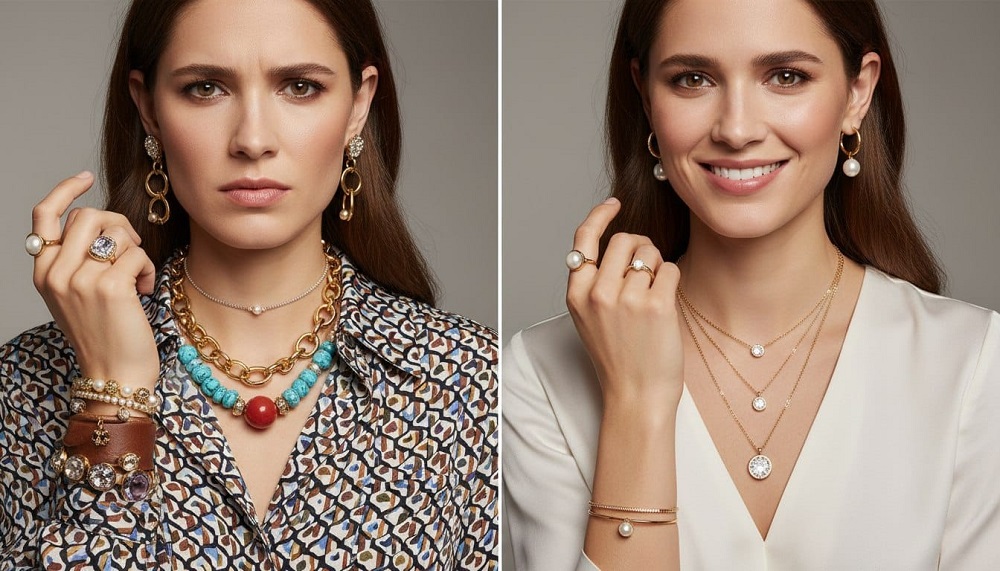
Putting together a sharp, polished look requires more than just picking out a stylish top and well-tailored trousers. The difference between an outfit that looks haphazard and one that looks effortlessly put together often comes down to the finishing touches. Accessories hold tremendous visual power. When selected with intention, they elevate basic wardrobe staples, balance bodily proportions, and express individual style.
However, accessories can also work against you. A single mismatched leather tone, an oversized tote paired with a delicate slip dress, or an excessive pile of competing metals can instantly derail a sophisticated look. Avoiding common styling errors ensures your wardrobe investments work in harmony rather than competing for visual attention.
Over-Accessorizing and Competing Focal Points
The human eye needs a place to rest when looking at an ensemble. One of the most frequent styling mistakes is trying to wear every favorite piece at the exact same time.
-
The Statement Overload: Wearing chandelier earrings, a thick layered necklace, a stack of cuff bracelets, and oversized rings at once creates visual chaos.
-
The Rule of One Statement: Anchor your outfit around a single hero accessory. If you choose an ornate, chunky necklace, pair it with subtle stud earrings and minimal rings. If your earrings are bold and sculptural, leave your neckline bare.
-
The Mirror Check Strategy: Before leaving the house, take a full step back from a full-length mirror. Identify the first thing that catches your eye. If three different items are fighting for attention, remove at least one piece to restore balance.
Ignoring Scale, Proportions, and Body Frame
An accessory should complement your physical frame and the silhouette of your garments rather than overwhelming them. Mismatched proportions make clothing look ill-fitting, even when the tailoring is spot on.
Pairing Heavy Bags with Delicate Silhouettes
A massive leather tote bag carried alongside a breezy linen summer dress or a refined silk slip creates a jarring contrast in visual weight. Reserve structured, oversized bags for heavier outerwear, tailored blazers, and winter coats. Pair lightweight, flowing garments with streamlined crossbody bags, small shoulder bags, or structured clutches.
Eyewear Scale and Face Shape Mismatches
Sunglasses and prescription frames act as prominent focal points. Wearing frames that are excessively large for a petite face obscures your features and drags your facial structure downward. Conversely, undersized frames on broader facial structures create an unintended pinched look. Always ensure the top rim of your sunglasses aligns naturally with your brow line.
Belt Widths and Garment Proportions
Wide waist-cinching belts can divide a torso abruptly, creating an unflattering shortened look on individuals with shorter torsos. Conversely, a paper-thin dress belt on a thick wool coat looks weak and out of place. Match the belt width to the weight of the fabric and the structural rise of the pants or skirt.
Mismatching Leathers and Metal Finishes Improperly
While modern fashion encourages mixing metals and textures, there is a clear distinction between intentional contrast and accidental discord.
-
Leather Inconsistencies: In formal and professional settings, combining glossy black shoes with a distressed brown belt and a tan briefcase breaks the cohesive line of the outfit. Match the undertones and finish of your leathers to create a continuous, polished appearance.
-
Clashing Hardware: Pay attention to the hardware embedded into your garments and accessories. If your handbag features bright gold buckles and zippers, wearing cool silver jewelry, a silver belt buckle, and chrome-accented shoes can create an unintended visual clash.
-
How to Mix Metals Deliberately: If you want to mix silver and gold, do so intentionally by choosing at least one two-tone piece, such as a watch or layered ring, that bridges the gap between both metals.
Overlooking Footwear Condition and Styling Context
Shoes are the foundation of any outfit. Even the most expensive suit or designer dress loses its appeal if the footwear is neglected or contextually wrong.
Neglected Shoe Maintenance
Scuffed leather, worn-down heels, cracked soles, and dirty white sneakers instantly degrade an outfit. Regularly polish your leather boots, clean your white sneaker outsoles, and replace worn heel taps before they wear down to the metal base.
Choosing the Wrong Shoe for the Hemline
The cut of your pants or skirt dictates the proper shoe silhouette. Wide-leg trousers need a shoe with enough presence, such as a pointed-toe boot or platform sole, to keep the fabric from dragging on the floor. Ankle-length cigarette pants look best with low-profile loafers, clean mules, or delicate heels that highlight the ankle.
Wearing Active Sportswear Shoes for Casual Wear
Performance running shoes engineered with thick foam cushions and neon mesh are designed for athletic training, not social outings. Swap gym sneakers for clean, minimalist leather low-tops or classic canvas sneakers when building a casual lifestyle outfit.
Relying on Rigid, Outdated Matching Sets
A generation ago, matching your handbag directly to your shoes and earrings was the gold standard of high fashion. Today, head-to-toe matching sets often make an ensemble look dated, stiff, and overly calculated.
-
Avoid buying three-piece jewelry sets that bundle identical earrings, necklaces, and bracelets.
-
Instead of matching your bright red handbag directly to bright red heels, let the handbag serve as the singular pop of color against a neutral outfit, pairing it with neutral shoes.
-
Focus on tonal coordination rather than direct matching. Pair navy shoes with an off-white bag, or olive green boots with a cognac leather tote.
Neglecting Context, Function, and Seasonality
An accessory must fit the environment and the climate. When functional utility is ignored for aesthetics, the resulting look feels disjointed and awkward.
-
Seasonal Material Clashes: Carrying a woven straw beach bag in the middle of autumn, or wrapping a heavy cashmere scarf over a light summer sundress, disrupts seasonal harmony.
-
Impractical Event Accessories: Wearing thin stilettos to an outdoor garden wedding causes heels to sink into the grass. Opt for block heels, wedges, or dressy flats instead.
-
Overstuffed Pockets: Shoving bulky smartphones, key rings, and thick wallets into trouser pockets ruins the clean drape and line of tailored pants. Use a slim cardholder or carry an appropriate bag to keep clothing silhouettes sleek.
Frequently Asked Questions
How do you choose the right necklace length for different necklines?
V-neck tops pair best with pendant necklaces that mimic the angular shape of the collar. Crew necks and high-neck tops work well with long pendant chains or collar-style statement pieces that sit directly on top of the fabric. Sweetheart and off-the-shoulder necklines provide an open collarbone area that accommodates short choker styles and princess-length chains.
Is it acceptable to wear black shoes with a navy blue outfit?
Yes, pairing black shoes with navy clothing is a classic, modern color combination. To make it look deliberate, choose sharp, structured black leather footwear and incorporate another black element, such as a black belt, watch strap, or tailored coat, so the shoes do not look like an accidental choice.
How many rings can someone wear without looking cluttered?
A reliable rule of thumb is to distribute rings across both hands without overcrowding individual fingers. Wearing two to three balanced rings across both hands looks curated and intentional. If you prefer to wear a dramatic, oversized cocktail ring, let it stand alone on that hand and keep the opposite hand minimal.
What is the most versatile belt color and style to own?
A medium-width leather belt in matte black or deep cognac brown with a simple, brushed brass or silver buckle offers maximum versatility. A smooth leather finish transitions seamlessly between tailored business trousers and everyday casual denim.
How do you style a statement scarf without overwhelming a simple outfit?
Keep the rest of your accessories understated when wearing a vibrant or heavily patterned scarf. Choose a knot or drape that matches the weight of your coat or sweater, such as a loose French knot for light silk scarves or an effortless once-around drape for chunky knit styles. Ensure the colors in the scarf share at least one complementary tone with your main outfit.
How do you determine whether gold or silver jewelry best suits your skin tone?
Look at the veins on the underside of your wrist in natural sunlight. Blue or purple veins suggest a cool undertone that is naturally complemented by silver and white gold. Greenish veins indicate a warm undertone that pairs harmoniously with yellow gold and rose gold. If your veins appear blue-green, you likely have neutral undertones and can wear both metals effortlessly.
How can someone transition casual day accessories to an evening look quickly?
Swap a large daytime tote bag for a sleek clutch, replace casual daytime studs with sculptural drop earrings, and trade flat shoes or sneakers for a pointed-toe mule or heel. These three focused adjustments instantly elevate the tone of the outfit for an evening setting without requiring a full wardrobe change.

Comments are closed.