

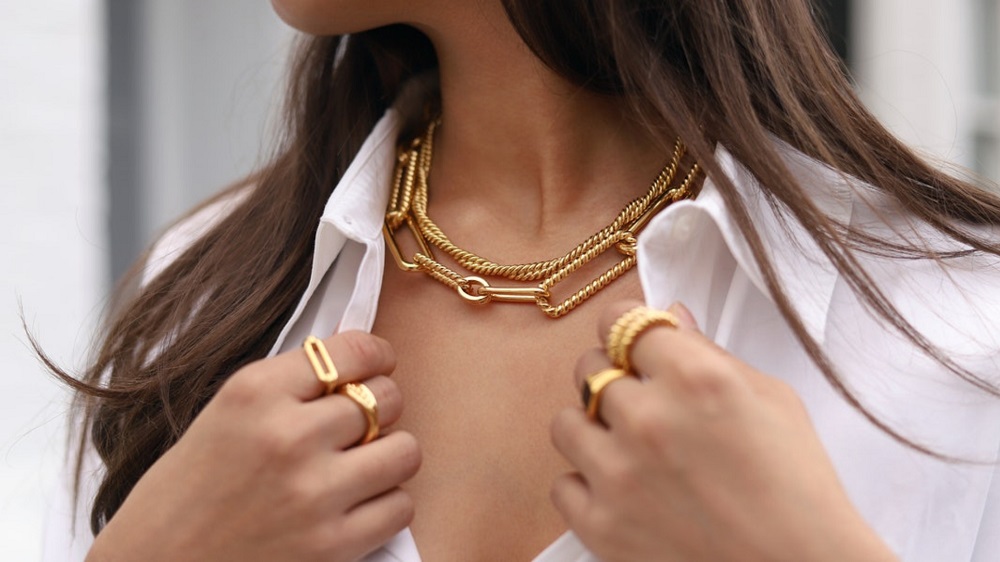
The global jewelry industry is undergoing a fundamental shift, driven by the distinct values, styling philosophies, and purchasing habits of Generation Z and Millennial consumers. For previous generations, fine jewelry was largely associated with formal occasions, status displays, milestone anniversaries, or traditional bridal commitments. Jewelry was bought infrequently, kept tucked away in velvet boxes for special events, and heavily dictated by legacy heritage fashion houses.
Younger demographics have thoroughly dismantled this rigid approach. To Gen Z and Millennials, jewelry is an everyday medium for self-expression, fluid gender presentation, playful curation, and ethical alignment. Rather than saving fine pieces for black-tie gatherings, these generations blend high and low price points, champion sustainable sourcing, and wear expressive jewelry on daily commutes, casual hangouts, and video calls.
Ethical Sourcing, Sustainability, and Lab-Grown Diamonds
Environmental and ethical accountability is no longer a niche preference; it is a baseline expectation for younger buyers. Millennial and Gen Z shoppers routinely research supply chain transparency, carbon offsets, and labor practices before investing in fine metals and gemstones.
-
The Rise of Lab-Grown Diamonds: Chemical vapor deposition and high-pressure, high-temperature lab diamonds have achieved mainstream acceptance. Younger buyers appreciate that lab-created stones share identical optical, physical, and chemical properties with mined diamonds while carrying lower price tags and bypassing open-pit mining concerns.
-
Recycled Precious Metals: Brands utilizing certified recycled solid gold, sterling silver, and reclaimed platinum command strong loyalty among eco-conscious consumers looking to reduce their personal ecological footprint.
-
Transparent Traceability: Shoppers favor independent artisans and direct-to-consumer jewelers that provide mine-to-market visibility for colored gemstones, ensuring fair wages and safe operational working conditions for miners.
The Curated Ear and Asymmetrical Piercings
The traditional practice of wearing matching single-stud earrings in each earlobe has been replaced by the curated ear. This approach treats the entire ear cartilage as an artistic canvas for storytelling, using mixed textures and varied hoop sizes.
Multi-Piercing Stacks
-
Cartilage and Helix Accents: Combining classic lobe piercings with forward helix, tragus, conch, and daith piercings to create multi-tiered architectural layouts.
-
Graduated Huggie Hoops: Stacking small huggie hoops in decreasing diameters along the earlobe for a streamlined, cascading look.
-
Ear Cuffs and Non-Invasive Clips: Providing temporary, zero-commitment cartilage styling options that allow users to change their ear layouts daily without permanent needle modifications.
Intentional Asymmetry
Symmetry is no longer mandatory in contemporary ear styling. Wearing a bold structural drop earring on one side balanced by an understated assortment of flat-back studs and miniature cuffs on the other creates an eclectic, effortless look favored across digital fashion platforms.
Mixed Metals and Bold Layering Techniques
The outdated style rule forbidding the combination of silver and gold has been completely discarded. Modern consumers treat mixing metals as a creative technique that adds depth, contrast, and versatility to basic outfits.
-
Dynamic Metal Combinations: Pairing warm yellow gold chains with cool white gold, platinum, or solid sterling silver necklaces to break visual monotony.
-
Textural Layering on the Neck: Styling a smooth, mirror-like herringbone flat chain alongside a heavy curb chain and an organic baroque pearl pendant creates rich visual variance.
-
Ring Stacks and Two-Tone Signets: Wearing mixed-metal stacking bands across index, middle, and pinky fingers, or choosing two-tone split rings that bridge cool and warm color palettes naturally.
Gender-Fluid Silhouettes and Chunky Hardware
Rigid gender divisions in jewelry merchandising are dissolving rapidly. Gen Z consumers in particular embrace gender-neutral collections that celebrate bold, industrial, and utilitarian silhouettes.
-
Chunky Chain Links: Heavy Cuban links, nautical anchor chains, and industrial paperclip link necklaces are staple accessories worn across all gender expressions.
-
Bold Signet Rings: Once reserved for traditional heritage crests, minimalist signet rings featuring clean geometric faces, brutalist carvings, or flush-set moissanite stones are everyday staples for both men and women.
-
Solid Torc Bangles and Heavy Cuffs: Wide, structural metal bracelets that wrap around the wrist provide a grounded, modern edge to streetwear and formal tailoring alike.
Nostalgic Y2K Aesthetics and Playful Accents
The late 1990s and early 2000s resurgence continues to influence youth fashion, introducing lighthearted, expressive elements that contrast with serious fine jewelry.
Organic Pearls and Irregular Gems
Baroque pearls, with their naturally irregular and non-spherical shapes, have replaced traditional strands of uniform round pearls. Younger consumers appreciate the organic, imperfect charm of keshi and freshwater pearls, frequently combining them with industrial carabiner clasps or colorful beads.
Enamel, Charms, and Vibrant Gemstones
-
Vivid Enamel Inlays: Bold rings and huggies painted with pastel or neon cold enamel introduce pops of playful color to neutral outfits.
-
Custom Charm Bracelets and Necklaces: Modular jewelry allowing wearers to clip on personalized astrological signs, initial tags, symbolic talismans, and vintage trinkets that reflect personal journeys.
-
Unconventional Colored Gemstones: Moving away from standard blue sapphires and rubies toward unexpected gemstones such as moss agate, salt-and-pepper diamonds, morganite, and bicolor tourmaline.
Direct-to-Consumer Demi-Fine Jewelry
The rapid expansion of the demi-fine category fills the price and durability gap between cheap, skin-discoloring costume jewelry and inaccessible luxury fine jewelry.
-
Thick Gold Vermeil: Heavy layers of real eighteen-karat or fourteen-karat gold bonded over a solid sterling silver base, offering the rich appearance and durability of solid gold at an accessible price point.
-
Waterproof PVD Coatings: Physical Vapor Deposition stainless steel pieces engineered to resist tarnishing from sweat, gym sessions, perfumes, and daily showers, catering directly to active, busy lifestyles.
-
Transparent Pricing Models: Millennial-founded digital brands that openly publish their supply chain markups, production costs, and material origins, building immediate trust with skeptical buyers.
Frequently Asked Questions
What is the difference between gold plated and gold vermeil jewelry?
Standard gold plating involves flashing an extremely thin layer of gold, often less than zero point five microns thick, over an inexpensive base metal such as brass or copper, which wears away quickly. Gold vermeil requires a significantly thicker layer of gold, typically at least two point five microns, electroplated over a high-grade solid sterling silver base, providing vastly superior longevity and hypoallergenic wear.
Why have pearl necklaces become so popular among men in recent years?
Men have embraced freshwater and baroque pearl necklaces because influential musicians, athletes, and fashion icons have normalized pearls as modern unisex streetwear. Paired with oversized t-shirts, vintage hoodies, or sharp blazers, pearls soften hard silhouettes and offer a sophisticated, subversive alternative to standard metallic chains.
How do modern consumers care for lab-grown diamond and moissanite rings?
Lab-grown diamonds and moissanite should be cleaned using warm water, mild liquid dish soap, and a soft-bristled baby toothbrush to remove accumulated lotions, oils, and dust. Because these stones share high hardness ratings on the Mohs scale, they resist scratching and maintain their brilliant fire with routine home cleanings and professional ultrasonic checks.
How does physical vapor deposition create waterproof everyday jewelry?
Physical Vapor Deposition is a vacuum coating process that vaporizes titanium or gold particles at a molecular level, bonding them into a durable surface layer over surgical stainless steel. This creates a sweat-resistant, corrosion-proof, and tarnish-free bond that survives salt water, chlorinated pools, and daily showers without chipping away.
What are the most popular alternative gemstones for non-traditional engagement rings?
Modern couples frequently choose moss agate for its earthy, forest-like mineral inclusions, salt-and-pepper diamonds for their unique cosmic speckles, and lab-created alexandrite for its striking color-changing properties. Blue-green Montana sapphires and soft peach morganite stones are also popular options for distinctive bridal designs.
How can someone start building a curated ear without getting multiple new piercings at once?
A person can build a multi-dimensional ear look by purchasing high-quality clip-on ear cuffs that grip the upper cartilage and mid-helix without requiring piercing needles. Pairing one or two flexible cuffs with mismatched drop studs in existing lobe piercings delivers the visual complexity of a curated ear immediately.
Why is sterling silver experiencing a major modern revival among younger buyers?
Sterling silver has seen a resurgence due to its accessibility, bright cool-toned luster, and natural pairing with grunge, cyber-minimalist, and streetwear aesthetics. As solid gold prices continue to rise globally, high-grade nine-twenty-five silver offers an affordable way to buy substantial, heavy sculptural pieces and brutalist statement rings.

Comments are closed.