

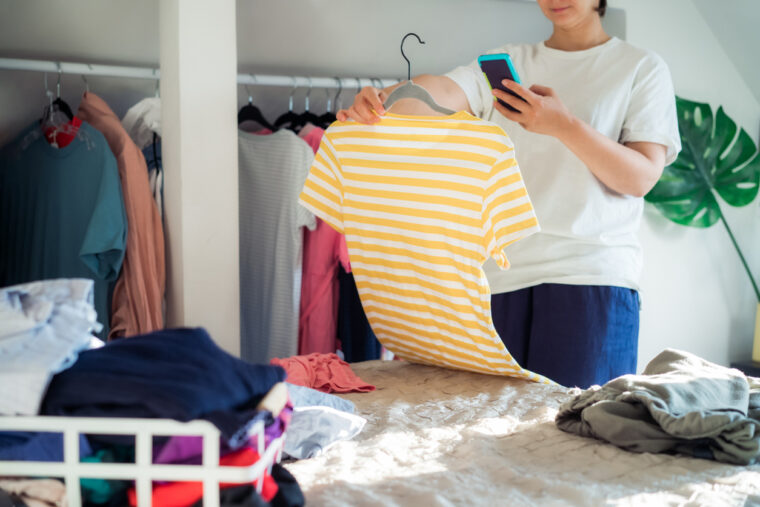
The global consumer mindset is undergoing a profound transformation. For decades, retail culture championed the idea that newer always meant better. Mass production, fast fashion, and rapid product upgrade cycles encouraged a throwaway economy where goods were purchased, used briefly, and quickly discarded. Today, that linear model is giving way to a circular economy powered by the resale market.
Participating in the secondhand marketplace is no longer merely a niche habit for bargain hunters or vintage collectors. It has evolved into a mainstream economic movement. Whether upgrading a wardrobe, furnishing a home, purchasing electronics, or clearing out household clutter, buying and selling pre-owned items delivers substantial financial, environmental, and practical advantages.
The Consumer Advantages of Buying Pre-Owned Goods
Choosing secondhand goods allows buyers to stretch their budgets while gaining access to higher-tier products that might otherwise be cost-prohibitive.
-
Substantial Financial Savings: The most immediate perk of secondhand shopping is the deep discount compared to retail pricing. Most consumer items, from cars to designer apparel, lose significant value the moment they leave a store. Buying used bypasses that initial depreciation hit, often saving consumers anywhere from thirty to seventy percent off original retail prices.
-
Access to Superior Craftsmanship: Older furniture, vintage leather goods, and classic garments were frequently constructed with higher manufacturing standards and better raw materials than modern mass-market equivalents. Solid hardwood tables, brass hardware, and heavy selvedge denim can often be bought secondhand for less than the price of poorly made particle-board or synthetic items.
-
Unique and Discontinued Inventory: Standard retail stores are limited to current seasonal inventories. Secondhand marketplaces act as living archives, offering out-of-print books, discontinued electronics, rare collectible toys, and vintage garments that allow buyers to express personal individuality rather than wearing identical store displays.
-
Smart Entry for Short-Term Needs: Certain product categories have very short utility windows. Baby gear, children clothing, maternity wear, and specialized sports equipment are often outgrown in months. Sourcing these items pre-owned ensures parents and hobbyists avoid spending large sums on items with limited lifespans.
The Financial and Lifestyle Perks of Selling Used Items
For sellers, decluttering pre-owned possessions turns dormant assets into active cash flow while encouraging a more intentional lifestyle.
Unlocking Trapped Household Capital
Most households contain hundreds or thousands of dollars in unused items sitting in basements, closets, and garages. Selling these items on digital marketplaces or through local consignment shops converts idle clutter into liquid funds that can be applied to emergency savings, debt payoff, or vacations.
Fostering a Minimalist and Organized Living Space
Physical clutter directly contributes to daily stress and mental fatigue. Systematically auditing household possessions and selling off surplus goods creates an organized, functional living environment. Knowing that unwanted items can be monetized makes it easier to let go of possessions that no longer serve a regular purpose.
Funding Quality Upgrades
Embracing resale creates a self-sustaining cycle for expensive hobbies and lifestyle upgrades. Photographers can sell older lenses to finance a new body, tech enthusiasts can trade in last-generation smartphones to offset current upgrades, and fashion-conscious consumers can fund seasonal wardrobe refreshes purely through previous garment sales.
Environmental and Ecological Impacts of the Resale Economy
The environmental consequences of modern consumerism are immense. The extraction of raw materials, industrial manufacturing processes, and global transport networks account for a massive share of worldwide carbon emissions and landfill waste. Secondhand commerce serves as an effective counterweight.
-
Reducing Landfill Influx: Extending the practical life of garments, appliances, and home goods prevents millions of tons of non-biodegradable waste from entering municipal landfills each year.
-
Preserving Natural Resources: Manufacturing a single new cotton shirt requires thousands of gallons of water, along with agricultural pesticides and chemical dyes. Buying an existing shirt preserves precious water reserves and avoids agricultural runoff.
-
Lowering Industrial Carbon Emissions: By eliminating the need to manufacture a brand-new item from scratch, secondhand transactions drastically cut down on factory emissions, petroleum-based plastic packaging, and international freight transport.
-
Combating the Waste of Fast Fashion: Fast fashion relies on rapid production cycles that lead to disposable consumer behavior. Supporting the resale market directly diminishes the demand that fuels exploitative supply chains and environmental pollution.
Strategies for Successful Secondhand Buying and Selling
Maximizing the benefits of the resale economy requires practical savvy on both sides of the transaction.
Tips for Smart Pre-Owned Buyers
Thorough inspection is the key to finding exceptional secondhand deals without buyer remorse.
-
Check garment seams, underarm areas, zippers, and linings for wear, tears, or alterations before finalizing a purchase.
-
When purchasing pre-owned electronics, request proof of functionality, check battery health metrics, and ensure devices are completely unlocked and wiped of previous user accounts.
-
Ask sellers detailed questions about an item history, usage frequency, and storage conditions, particularly for sensitive items like musical instruments or high-end kitchen appliances.
Best Practices for Maximizing Resale Value
Sellers who treat their listings professionally consistently earn higher profits and secure faster sales.
-
Take bright, clear photographs against clean, neutral backgrounds, capturing every angle as well as any existing flaws or scuffs.
-
Write clear, keyword-rich titles and concise descriptions that detail dimensions, materials, brand names, and honest condition ratings.
-
Research current completed sales on resale platforms to price items competitively according to real-time market demand rather than emotional attachment.
-
Package sold items securely with clean materials and ship promptly to maintain top-tier seller ratings on digital platforms.
Frequently Asked Questions
Which product categories offer the highest return when sold secondhand?
High-end electronics, unlocked smartphones, luxury designer handbags, vintage solid-wood furniture, musical instruments, and brand-name outdoor power tools consistently yield the highest resale values. These goods retain strong consumer demand and maintain durability over long periods.
What should a buyer look for when assessing the safety of used children gear?
When purchasing secondhand baby gear, always check the manufacture date and research official recall databases. Avoid buying pre-owned infant car seats, as internal structural integrity cannot be guaranteed if the seat was previously involved in a collision. For cribs, strollers, and high chairs, verify that all original safety straps, locking mechanisms, and hardware are fully intact.
How does depreciation differ between buying a new vehicle versus a certified pre-owned vehicle?
A brand-new vehicle typically loses twenty to thirty percent of its retail value within the first year alone. Purchasing a certified pre-owned vehicle that is two to three years old allows the buyer to acquire a reliable, low-mileage car after the original owner has already absorbed the steep initial depreciation curve.
What are the tax implications of selling personal pre-owned items?
In most jurisdictions, selling personal used items at a loss compared to what you originally paid for them does not trigger income tax liabilities. However, if you purchase items specifically to flip them for a profit, or if you sell rare collectibles that appreciate above their original purchase price, you may be required to report those net capital gains on your tax returns.
How can buyers protect themselves from purchasing counterfeit designer goods online?
Buyers should look for sellers who provide original purchase receipts, authentic serial code tags, and branded dust bags. Additionally, utilizing reputable resale platforms that offer third-party authentication services or built-in buyer protection guarantees ensures funds are held in escrow until the item authenticity is verified.
Is it hygienic to buy pre-owned mattresses, upholstered furniture, and soft goods?
While hard surfaces are easily sanitized, soft goods require careful inspection. Solid wood, leather, and metal furniture are generally very safe and easy to clean. If buying upholstered furniture, inspect thoroughly for signs of moisture, pet dander, or pests, and budget for professional steam cleaning to ensure deep sanitization.
How can a seller determine the right platform for listing their specific items?
Match the platform to the item size, value, and target audience. Bulky items like sofas, fitness equipment, and lawnmowers sell best on localized pickup platforms to avoid shipping complications. Lightweight designer clothing, specialized electronics, and rare collectibles perform better on national or international shipping marketplaces that connect with niche buyers worldwide.

Comments are closed.