

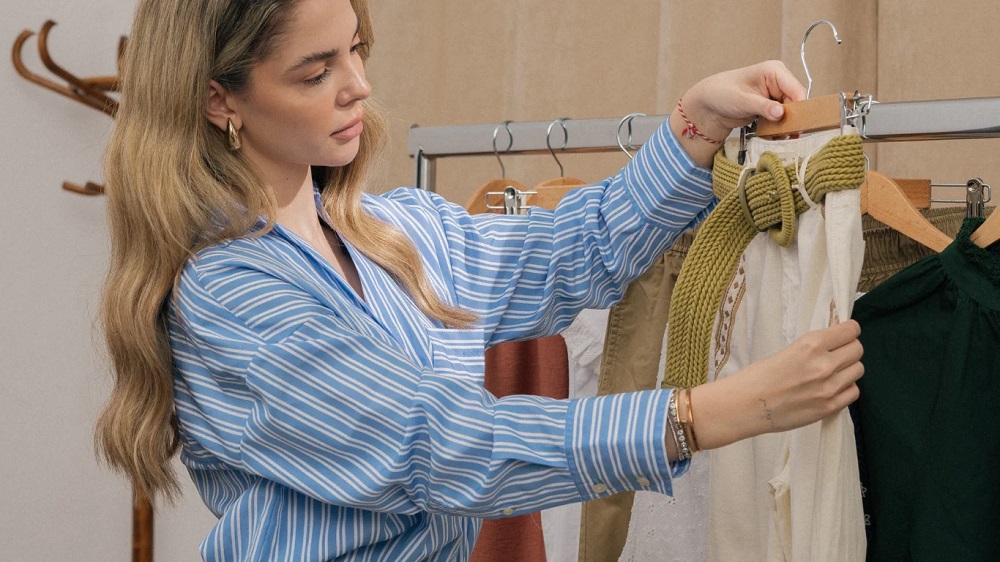
The modern fashion landscape is saturated with fast production cycles, trend-driven collections, and synthetic materials engineered for short shelf lives. Navigating clothing racks or digital storefronts has become an exercise in distinguishing genuine craftsmanship from clever marketing. High-quality garments do not merely look superior on the hanger; they retain their shape after repeated wash cycles, feel comfortable against the skin, and endure for years rather than single seasons.
Investing in well-made garments is both financially sensible and aesthetically rewarding. By learning how to evaluate raw fibers, structural integrity, and manufacturing details, consumers can cultivate a durable, timeless wardrobe that transcends seasonal disposable fashion.
Understanding Fiber Content and Fabric Quality
The foundation of any exceptional garment lies in its fabric. While construction methods dictate how well a piece holds together, the raw fiber determines breathability, texture, drape, and longevity.
-
Natural Animal Fibers: Wool, cashmere, alpaca, and silk provide natural thermal regulation, moisture-wicking properties, and exceptional resilience. Look for terms like long-staple merino wool or grade-A cashmere, which indicate longer fibers that resist pilling over time.
-
Natural Plant Fibers: Cotton and linen offer excellent breathability and ease of care. High-grade cotton varieties, such as Supima or Egyptian cotton, utilize extra-long staple fibers that produce smoother yarns with high tensile strength. Pure linen softens with wear and resists deterioration from sweat.
-
Synthetic and Blended Fibers: While pure synthetic fabrics like polyester and acrylic often trap heat and pill quickly, small percentages of synthetic fibers can add functional value. For instance, two to three percent elastane gives denim mobility, while nylon blends can reinforce the friction points of knitwear and outerwear.
-
Fabric Weight and Density: High quality does not automatically mean heavy fabric, but tight weave density is critical. Hold the fabric up to a natural light source. Loosely woven or semi-transparent weaves in everyday shirts or pants often signal cheap production and rapid wear potential.
Evaluating Garment Construction and Stitching
Inspecting the internal and external stitching reveals whether a garment was constructed with care or rushed through an automated assembly line.
Stitch Density and Tension
Examine the number of stitches per inch (SPI) along major seams. High-quality garments generally feature a higher stitch count, usually between ten and fourteen stitches per inch. High density ensures seams remain flat, strong, and resistant to pulling apart under tension. Ensure the stitching is straight and uniform, with no skipped loops, puckering, or loose thread tails.
Seam Finishes and Interior Workmanship
The true test of clothing craftsmanship is how clean the inside looks. Budget manufacturers rely on basic overlock stitches that leave exposed, raw fabric edges prone to fraying.
-
French Seams: Enclose raw fabric edges completely within the seam allowance, commonly found in luxury silk blouses and delicate dresses.
-
Flat-Felled Seams: Double-stitched, interlocked seams that provide immense strength, standard in premium denim and workwear shirts.
-
Hong Kong or Bound Seams: Edges wrapped in bias tape, providing a clean interior finish in unlined jackets, coats, and tailored skirts.
Pattern Matching Across Seams
Pay close attention to garments featuring stripes, plaids, checks, or bold geometric prints. High-end garment cutting ensures patterns align seamlessly across side seams, chest pockets, yokes, and armhole joins. Mismatched patterns indicate that fabric was cut rapidly in bulk to maximize factory yield rather than aesthetic precision.
Hardware, Linings, and Finishing Touches
The hardware and secondary materials used on a garment are clear indicators of a manufacturer commitment to quality. When brands cut corners, the hardware is often the first place they compromise.
-
Buttons and Buttonholes: Quality shirts and blazers feature natural mother-of-pearl, horn, corozo nut, or solid metal buttons rather than hollow plastic. Buttonholes must have dense, tight thread binding with clean, non-fraying cuts. Keyhole buttonholes are common on high-end blazers to accommodate thicker button shanks.
-
Zippers: Premium garments employ smooth, durable metal zippers from reputable manufacturers such as YKK, Riri, or Lampo. Check that the zipper tape is sewn flat, does not catch on surrounding fabric, and stays locked when pulled up.
-
Coat and Jacket Linings: Well-crafted outerwear utilizes breathable lining materials like cupro, viscose, or silk rather than cheap, non-breathable polyester. The lining should have a small expansion pleat at the center back to allow natural shoulder movement without straining the seams.
-
Reinforced Stress Points: Look for bar-tack stitching or metal rivets at points that endure high physical stress, such as pocket corners, belt loops, and the base of fly closures.
The Hands-On Testing Method Before Buying
When shopping in person, several quick physical tests can reveal how a garment will behave in daily life before making a purchase.
The Fabric Stretch and Recovery Test
Gently pull a section of the fabric between both hands and release it. High-quality knits and stretch fabrics should snap back to their original shape instantly. If the fabric retains a distorted, bagged-out appearance, the garment will likely stretch out permanently around elbows, knees, and collars after a few wears.
The Crease and Wrinkle Assessment
Grab a handful of the fabric, squeeze it firmly for five seconds, and release it. Natural, high-grade fabrics like fine wool and treated cotton should smooth out quickly under ambient warmth. If the fabric holds rigid, sharp wrinkles immediately, it will require constant ironing and may look rumpled within minutes of wearing.
The Hem and Seam Allowance Inspection
Turn the bottom hem of a dress, skirt, or pair of trousers inside out. High-quality garments leave generous hem allowances of one to two inches. This extra fabric allows a tailor to let down the hem for length adjustments and gives the garment enough physical weight to drape cleanly.
Frequently Asked Questions
Why do some pure wool sweaters pill more than others?
Pilling occurs when short, broken fibers tangle together on the fabric surface due to friction. Sweaters made from short-staple wool or loosely spun yarns pill very quickly. High-quality knitwear uses tightly spun, long-staple wool fibers that resist breakage and maintain a smooth, clean surface over years of use.
Is high garment weight always an accurate indicator of superior quality?
No, fabric weight reflects seasonal purpose and fiber thickness rather than build quality. A lightweight sea island cotton shirt or gossamer silk blouse can be exceptionally well-made despite its minimal weight. Quality is determined by the length and strength of the raw fibers, the density of the weave, and the precision of the stitching, not sheer mass.
How does full-canvas construction differ from fused construction in suits?
A full-canvas suit uses a free-floating interior layer of horsehair canvas stitched between the outer wool and the inner lining, allowing the jacket to mold naturally to the wearer body over time. Fused construction uses synthetic glue to bond a stiff interlining directly to the wool shell, which creates a rigid drape and can produce unsightly bubbling after dry cleaning.
What should someone look for when assessing the quality of leather jackets?
Look for full-grain leather, which retains the natural grain layer and develops a rich patina with age. Top-grain leather is acceptable, while bonded or genuine leather often consists of glued scraps that peel quickly. High-end leather jackets feature consistent panel thickness, supple suppleness, minimal artificial chemical coatings, and heavy-duty metal hardware.
How can you tell if a pair of jeans is well made?
Look for rigid raw or selvedge denim woven on traditional shuttle looms, which produces a tight, durable weave with self-finished edges visible at the cuff. Check for copper rivets at pocket corners, chain-stitched hems, heavy cotton pocket bags that will not tear, and a sturdy leather patch on the waistband.
Why do some natural cotton garments feel exceptionally soft in the store but degrade quickly after washing?
Budget manufacturers often treat low-grade, short-staple cotton with synthetic chemical silicone softeners to create a deceptive, ultra-soft hand feel on the retail rack. After one or two home wash cycles, these chemical coatings wash away, revealing rough, scratchy, and easily distorted base fibers.
What are the main signs that a garment was mass-produced with poor quality control?
Common indicators include loose threads hanging from seams, plastic buttons with sharp mold marks, puckered seams, crooked pockets, mismatched patterns at side seams, thin unreinforced pocket bags, and care tags that omit specific fiber origin details.

Comments are closed.